
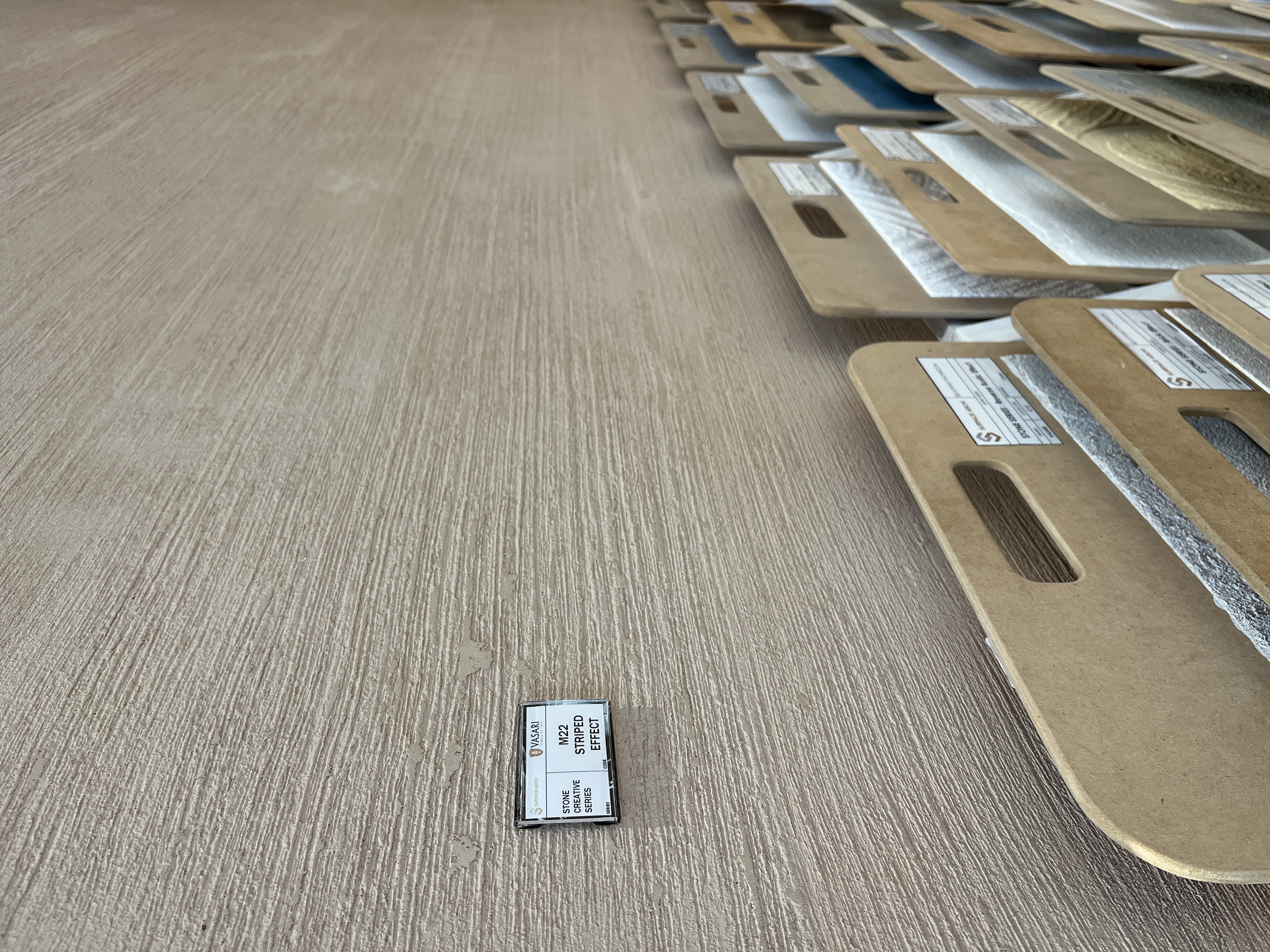
5 Common Mistakes Homeowners Make When Choosing Decorative Wall Finishes
Avoid These Common Pitfalls and Create Interiors That Stand the Test of Time
Decorative wall finishes have evolved far beyond traditional paint. Today, homeowners have access to a wide range of premium finishes that can transform ordinary walls into sophisticated design features. From polished plaster and concrete effects to textured coatings and stone-inspired surfaces, decorative finishes add depth, character, and visual interest that standard paint simply cannot achieve.
However, selecting the right decorative wall finish is about more than choosing a texture or colour that looks appealing. A finish that works beautifully in one space may not deliver the same result in another. Without proper planning, homeowners can end up with surfaces that feel out of place, require excessive maintenance, or fail to complement the overall design of the interior.
Before making a decision, it is important to understand the most common mistakes people make when choosing decorative wall finishes and how to avoid them.
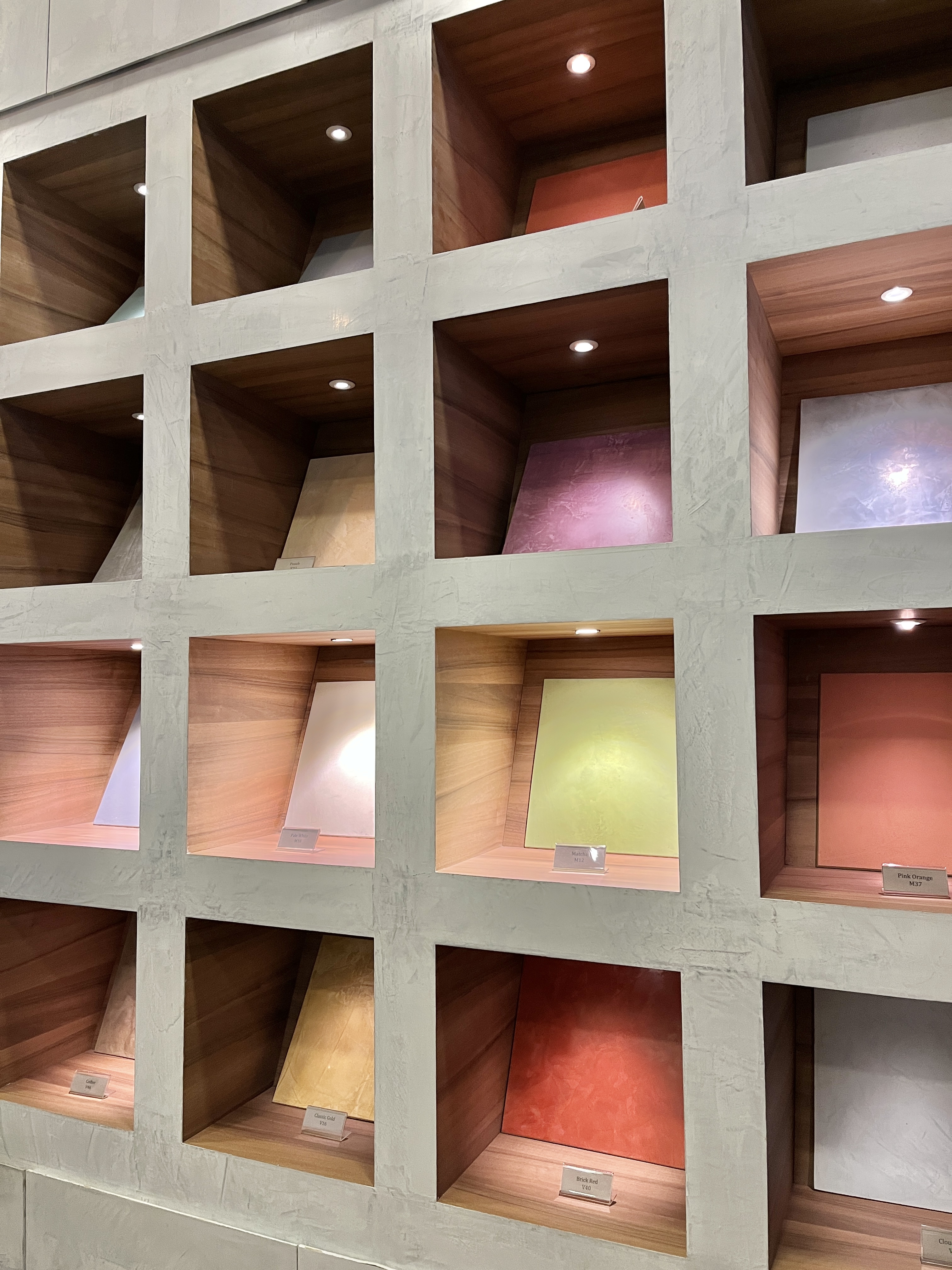
Mistake #1: Choosing a Finish Based Solely on Appearance
One of the biggest mistakes homeowners make is selecting a decorative finish simply because they saw it in a showroom, magazine, or social media post.
While visual appeal is certainly important, decorative wall finishes should always be evaluated within the context of the space where they will be installed.
A finish that appears stunning in a large, open-plan environment may feel overwhelming in a smaller room. Likewise, a bold texture that works well in a luxury hotel lobby may not suit a minimalist residential interior.
Many homeowners fall in love with a particular finish without considering:
-
Existing furniture and décor
-
Room proportions
-
Natural lighting conditions
-
Long-term design preferences
What to Do Instead
Rather than focusing solely on the finish itself, consider how it contributes to the overall design narrative of the space.
Ask yourself:
-
Does it complement the surrounding materials?
-
Will it enhance the atmosphere I want to create?
-
Will I still appreciate this design several years from now?
The most successful interiors are those where every element works together harmoniously.
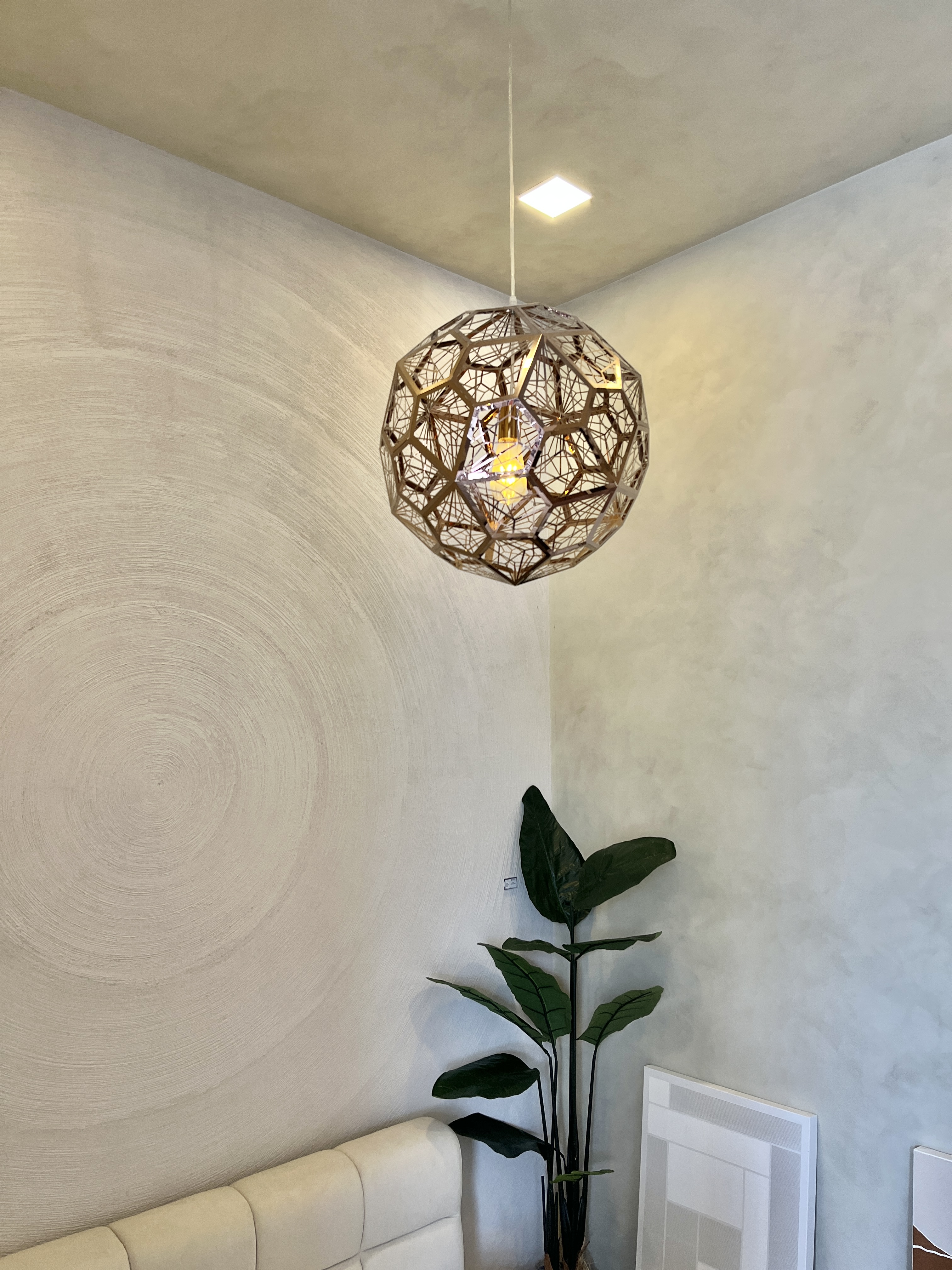
Mistake #2: Overlooking the Impact of Lighting
Lighting plays a significant role in how decorative wall finishes are perceived.
Textured surfaces interact with light differently throughout the day, creating highlights, shadows, and subtle variations that can dramatically affect the appearance of a room.
A finish that looks soft and elegant under natural daylight may appear darker or more dramatic under artificial lighting. Similarly, highly textured surfaces often reveal more depth when illuminated from specific angles.
Common factors that influence the final appearance include:
-
Window placement
-
Natural daylight exposure
-
Ceiling lighting
-
Accent lighting
What to Do Instead
Always evaluate decorative finishes under lighting conditions similar to those in the intended space.
Whenever possible:
-
View large samples rather than small swatches.
-
Assess finishes at different times of day.
-
Consider how future lighting upgrades may affect the final look.
Understanding the relationship between texture and light ensures a more predictable and satisfying result.
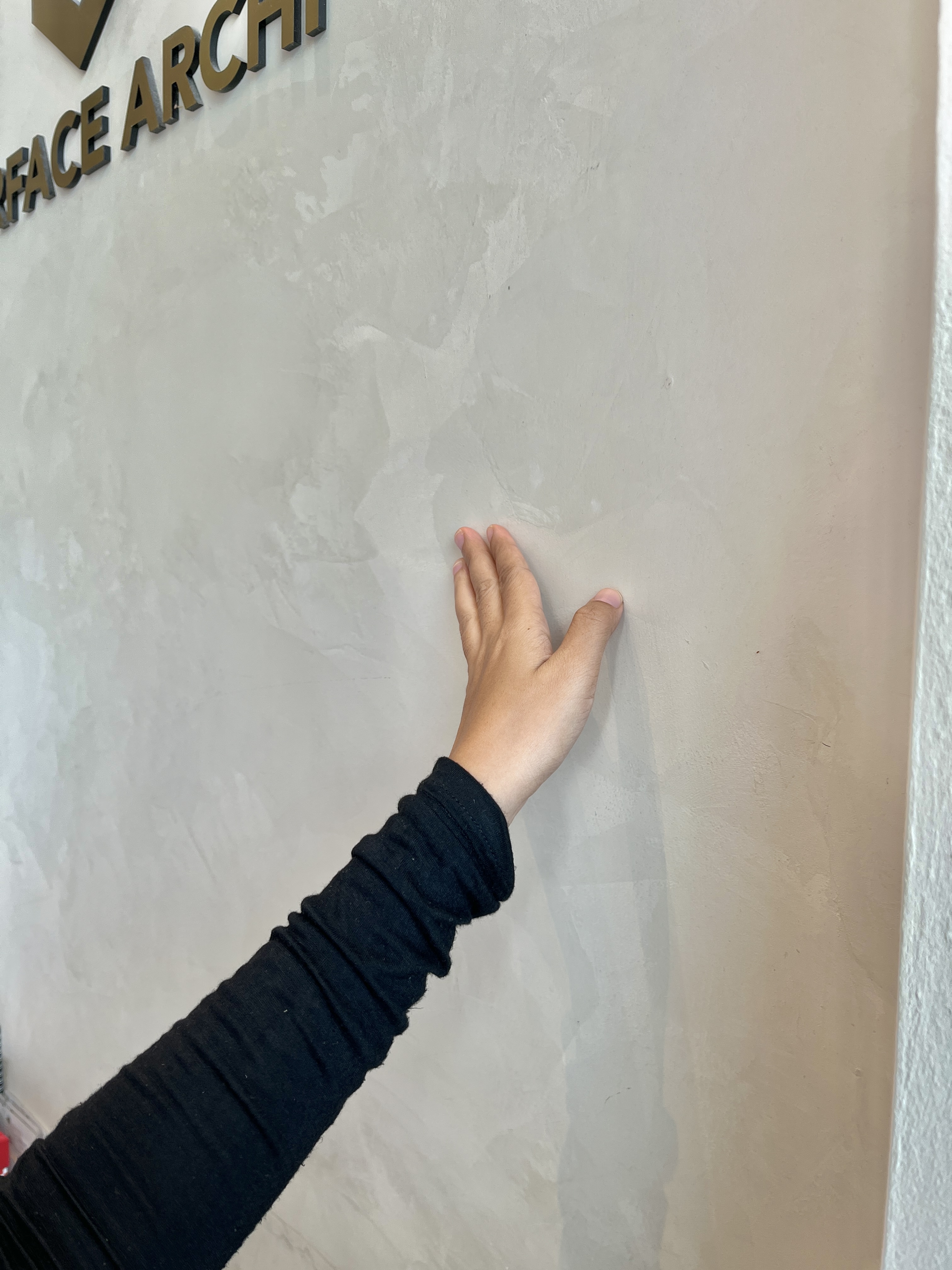
Mistake #3: Ignoring Practicality and Maintenance
While aesthetics often drive design decisions, functionality should never be overlooked.
Different decorative wall finishes have different maintenance requirements. Some are exceptionally durable and easy to maintain, while others may require specialised care to preserve their appearance.
Homeowners sometimes select finishes without considering how they will perform in everyday environments.
Questions worth considering include:
-
Is the finish suitable for high-traffic areas?
-
Can it be cleaned easily?
-
Will it require periodic maintenance?
A finish that works beautifully in a formal reception area may not be ideal for a busy family living room.
What to Do Instead
Match the finish to the purpose of the space.
For example:
-
Durable coatings are ideal for frequently used areas.
-
Sophisticated decorative finishes work well in feature spaces.
-
Easy-to-maintain surfaces are often preferred for family homes.
The best decorative finish balances visual appeal with long-term practicality.
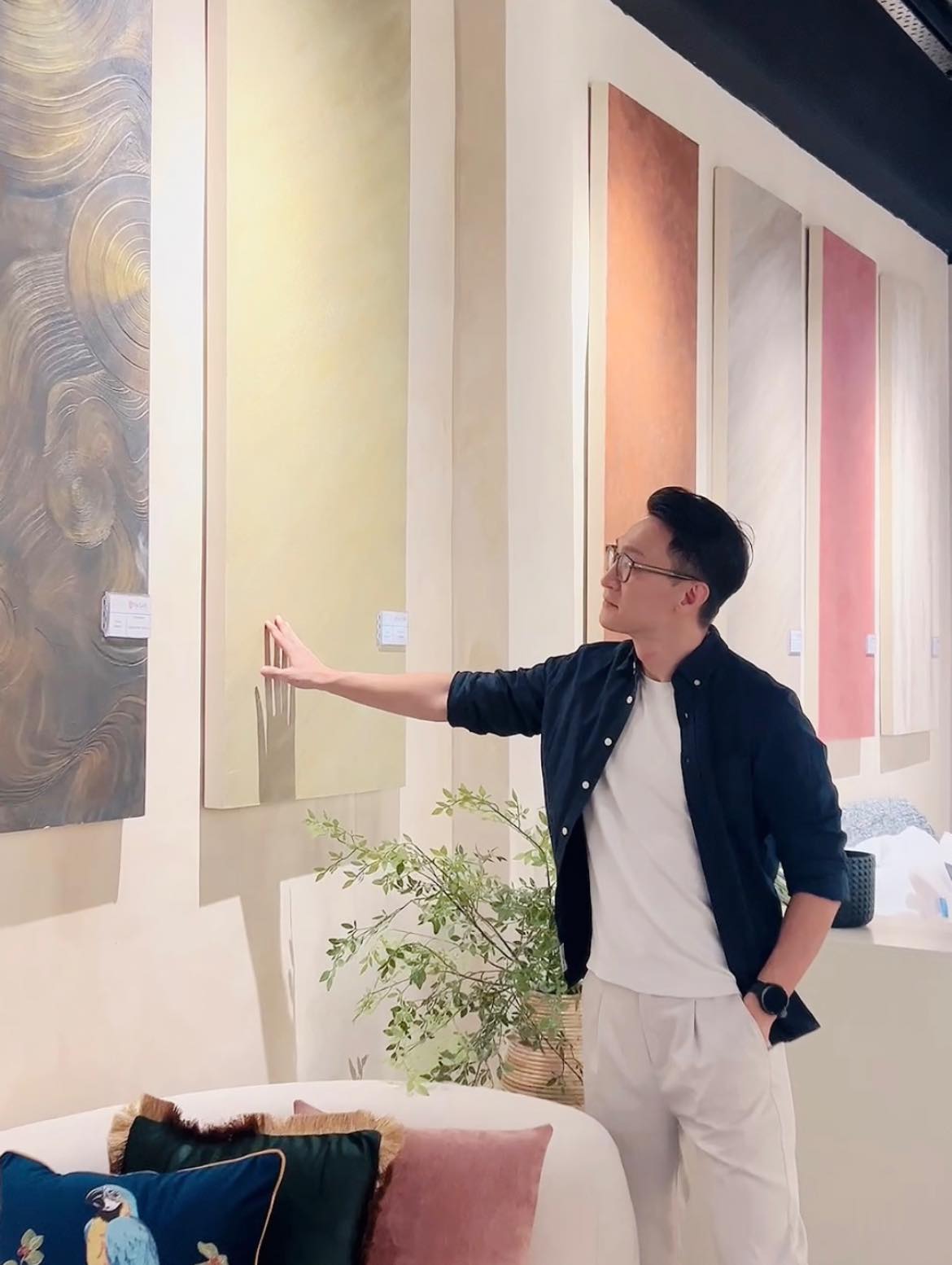
Mistake #4: Following Short-Term Trends
Design trends are constantly evolving.
From industrial concrete aesthetics to bold statement textures, certain decorative finishes may become highly fashionable for a period of time. However, trends often change faster than homeowners expect.
Unlike paint colours or furniture accessories, decorative wall finishes are typically considered a longer-term investment. Replacing them can involve significant time, cost, and disruption.
Choosing a finish purely because it is currently trending may result in an interior that feels dated within a few years.
What to Do Instead
Focus on timeless design principles rather than temporary trends.
Finishes that tend to remain relevant over time include:
-
Natural stone effects
-
Subtle textured coatings
-
Mineral-based finishes
-
Soft neutral colour palettes
A timeless finish provides flexibility, allowing the rest of the interior to evolve without requiring major wall renovations.
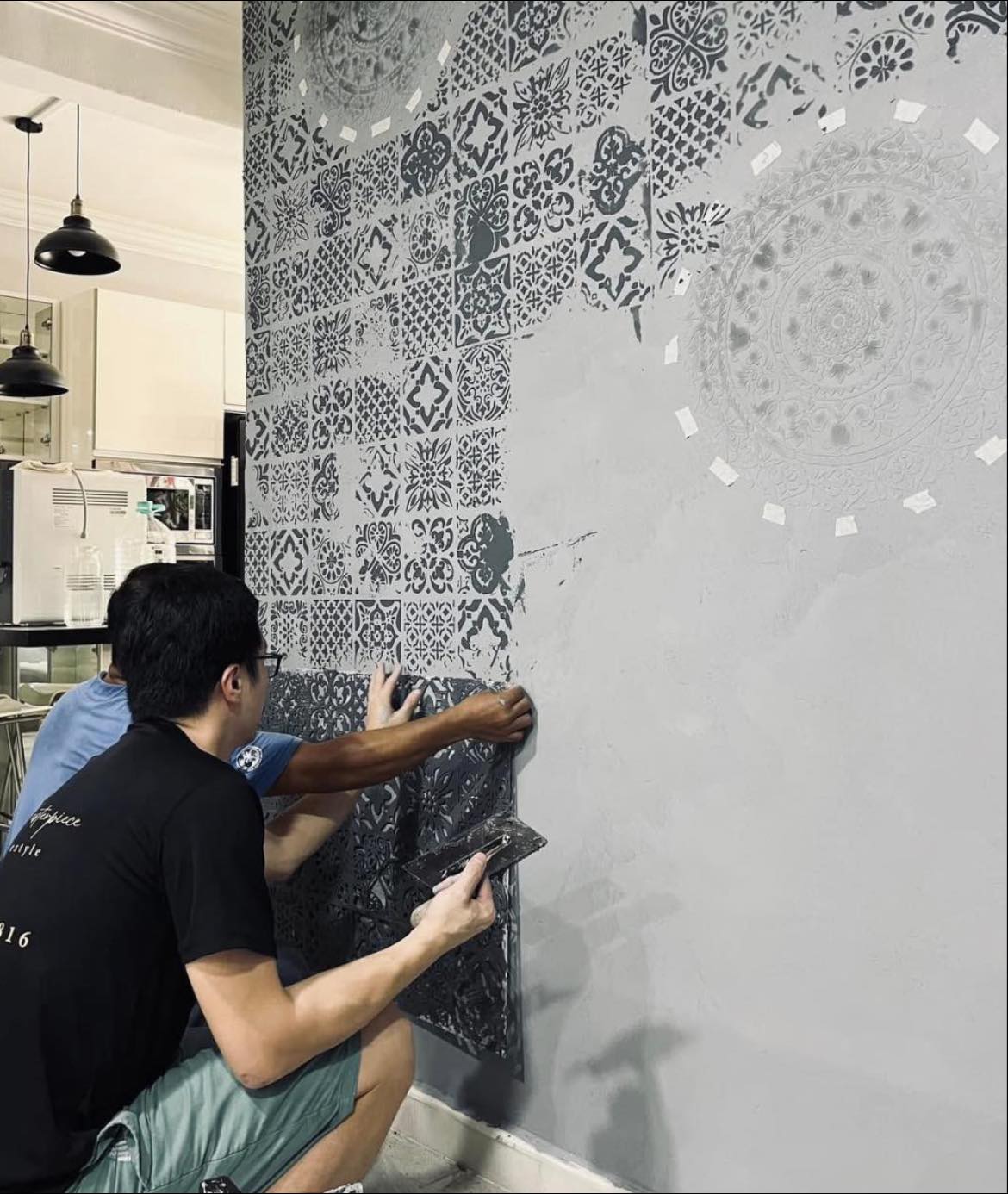
Mistake #5: Underestimating the Importance of Professional Application
Even the most premium decorative materials can fail to achieve their intended effect if they are not applied correctly.
Unlike standard paint systems, decorative wall finishes often require specialised techniques, extensive product knowledge, and skilled craftsmanship.
Surface preparation, application consistency, and finishing details all play a critical role in the final outcome.
Poor workmanship can lead to:
-
Inconsistent texture
-
Visible application marks
-
Colour variations
-
Reduced durability
In many cases, correcting these issues can cost more than investing in professional installation from the beginning.
What to Do Instead
Work with experienced specialists who understand decorative finishes and their application requirements.
Professional craftsmen can ensure:
-
Proper surface preparation
-
Consistent texture and finish quality
-
Long-term performance and durability
When it comes to decorative wall finishes, craftsmanship is often just as important as the material itself.
How to Choose the Right Decorative Wall Finish
Before selecting a decorative finish, consider the following key factors:
Define Your Design Vision
Identify the atmosphere you want to create—whether it is contemporary, minimalist, industrial, luxury, or timelessly elegant.
Consider the Space
Evaluate room size, lighting conditions, and intended use.
Balance Beauty and Functionality
A finish should not only look impressive but also perform well over time.
Prioritise Quality
High-quality materials and expert application typically deliver better durability and visual results.
Seek Professional Guidance
Consulting experienced decorative finish specialists can help you identify the most suitable solutions for your project.
Final Thoughts
Decorative wall finishes offer endless possibilities for creating interiors with depth, texture, and individuality. However, achieving exceptional results requires thoughtful planning and informed decision-making.
By avoiding these common mistakes choosing based solely on appearance, overlooking lighting conditions, ignoring maintenance requirements, following short-term trends, and underestimating the importance of professional application you can create spaces that remain beautiful and relevant for years to come.
At Vasari Asia, we believe walls should do more than define a space they should elevate it. Through innovative decorative finishes, premium materials, and skilled craftsmanship, it is possible to transform ordinary surfaces into lasting design statements that enhance the overall experience of a space.
Whether you're designing a private residence, hospitality venue, retail environment, or commercial project, selecting the right decorative wall finish is a key step toward creating interiors that combine beauty, functionality, and timeless appeal.