
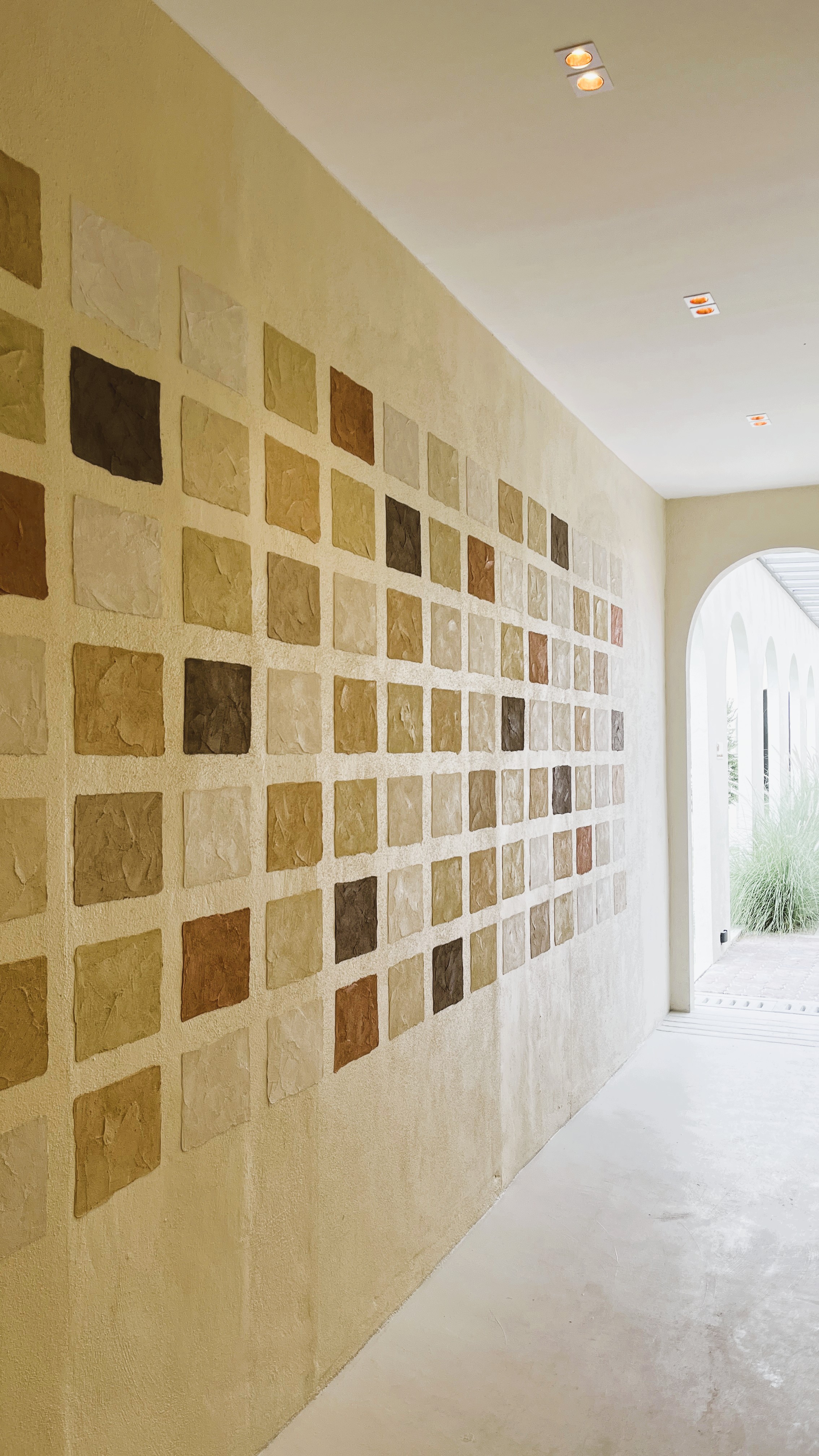
A Beginner's Guide to Venetian Plaster
Curious about Venetian plaster? This beginner's guide covers everything you need to know, including what it is, how it's applied, and why it's a popular choice for creating elegant interiors.
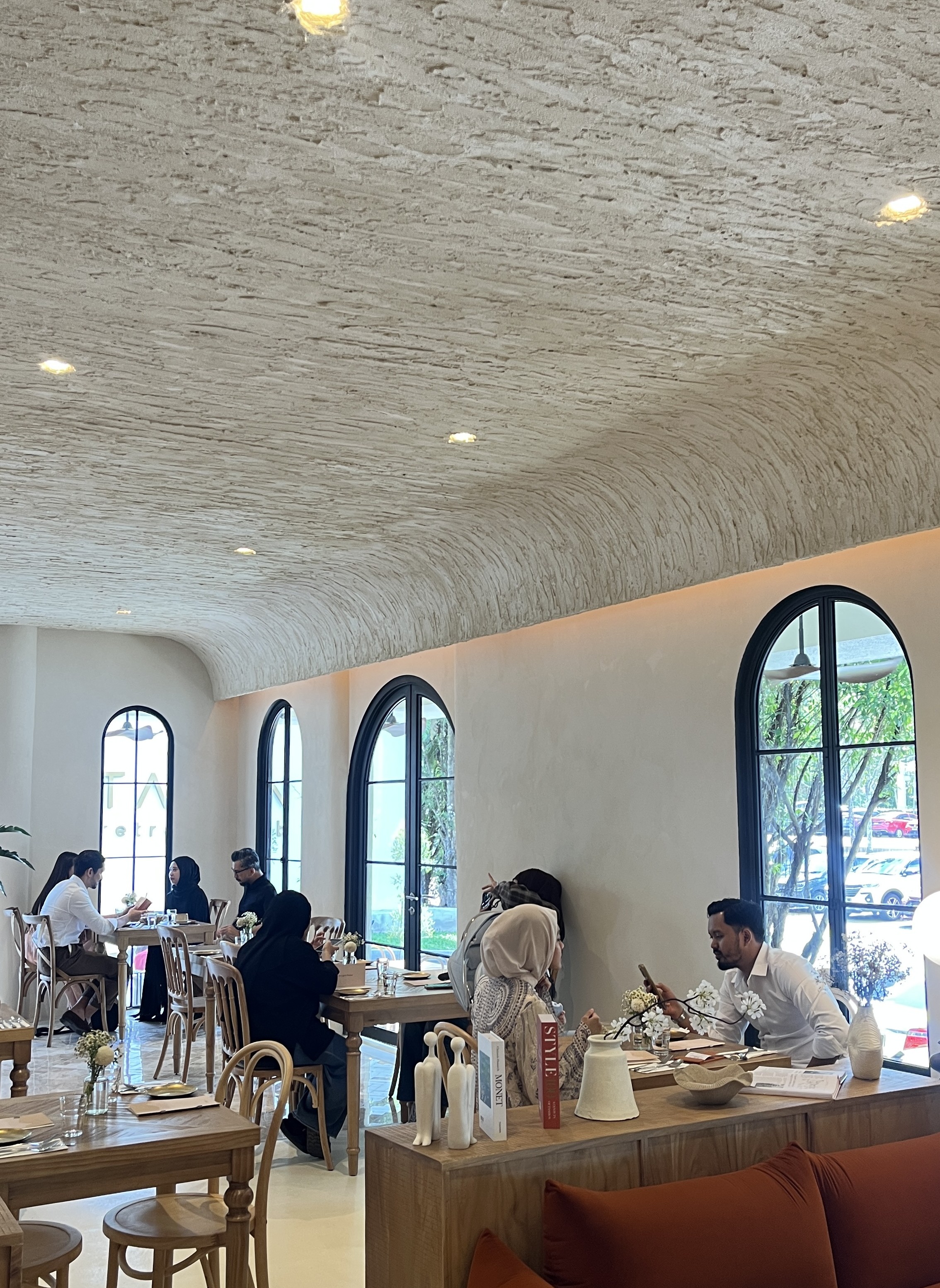
What Is Venetian Plaster?
Venetian plaster is a premium decorative wall finish made from natural lime and marble powder. Unlike conventional paint, it is applied by hand in multiple thin layers using a stainless steel trowel, creating a smooth, stone-like surface with natural depth and subtle movement. The result is a timeless finish that adds elegance and character to any interior.
How Does Venetian Plaster Application Work?
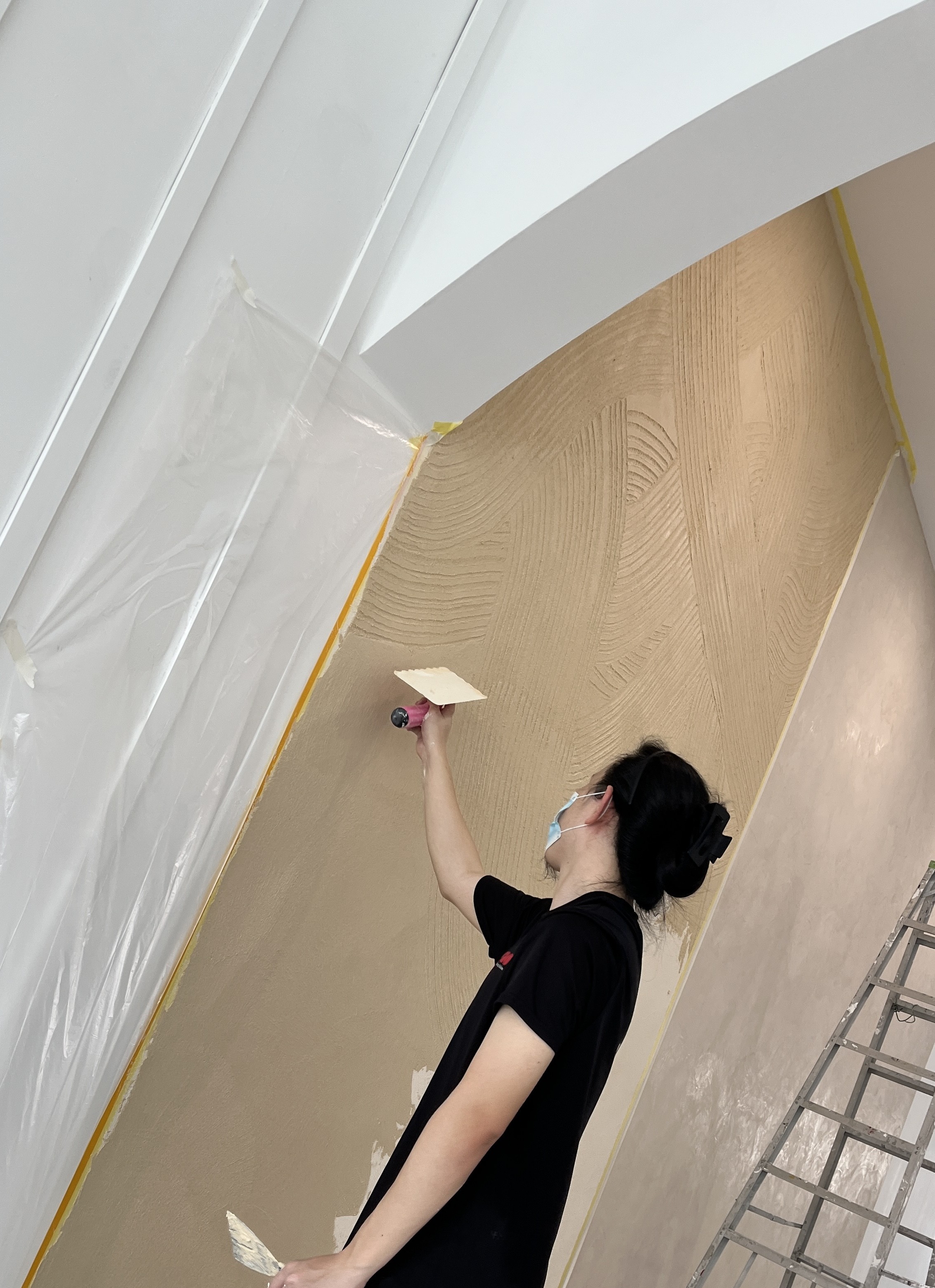
Applying Venetian plaster is a skilled process that differs from traditional painting. Rather than using a roller or brush, each layer is carefully spread with a stainless steel trowel to gradually build the desired texture and appearance. While mastering the technique takes practice, understanding the basic application process is a great place to start.
Step 1: Prepare the Surface
A clean, smooth, and stable surface is the foundation of a successful Venetian plaster application. Before you begin, repair any cracks, holes, or uneven areas, and make sure the wall is free from dust, grease, loose paint, or any other contaminants. Proper surface preparation ensures better adhesion and helps achieve a smooth, long-lasting finish.
Step 2: Apply a Mineral Primer.
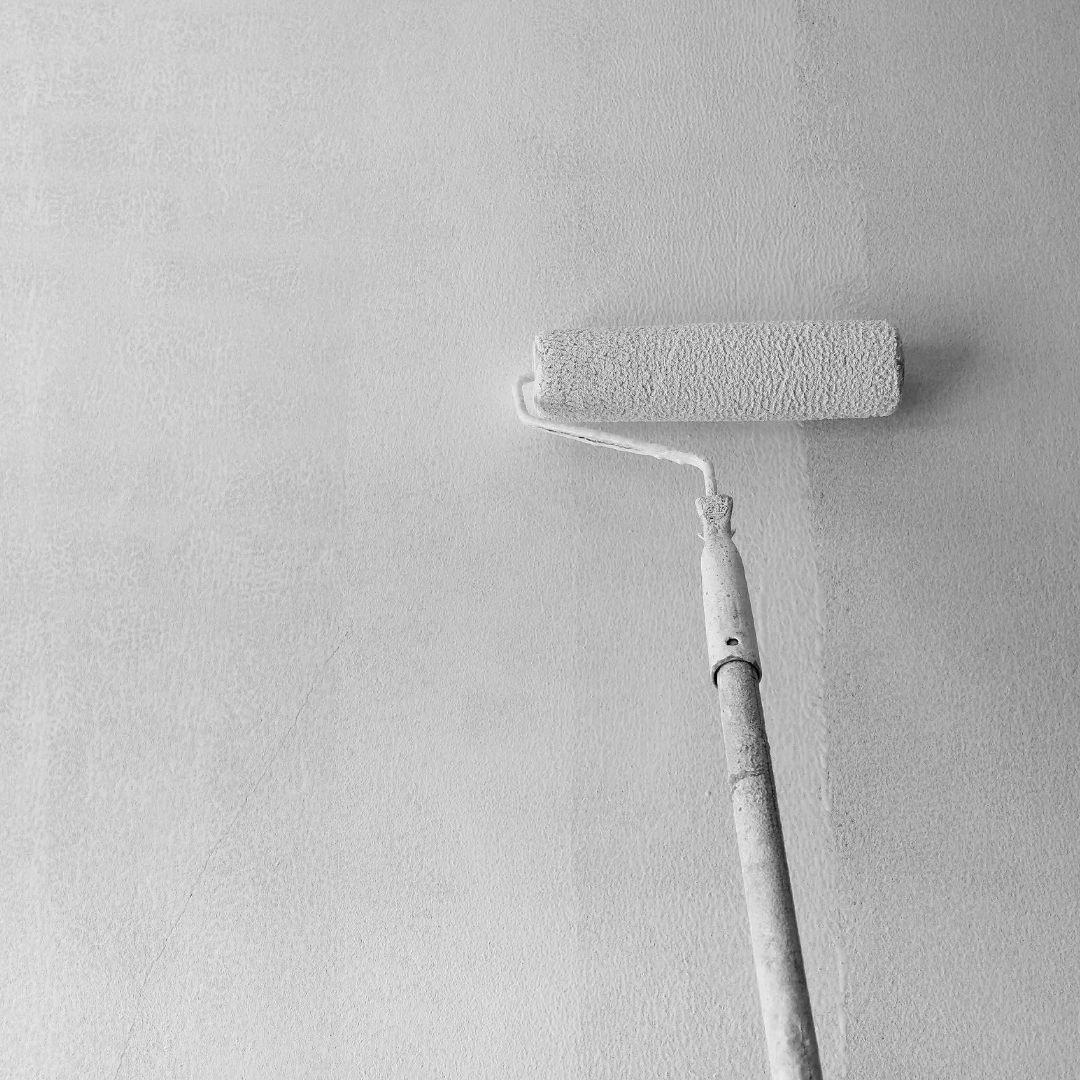
A mineral primer creates a uniform surface and improves adhesion between the wall and the Venetian plaster, ensuring a stronger and more durable finish.
For the best results, we recommend applying Mineral Primer before any Venetian plaster application. It helps promote even absorption, enhances colour consistency, and provides an ideal base for a smooth, professional-looking finish.
Step 3: Apply the First Coat.
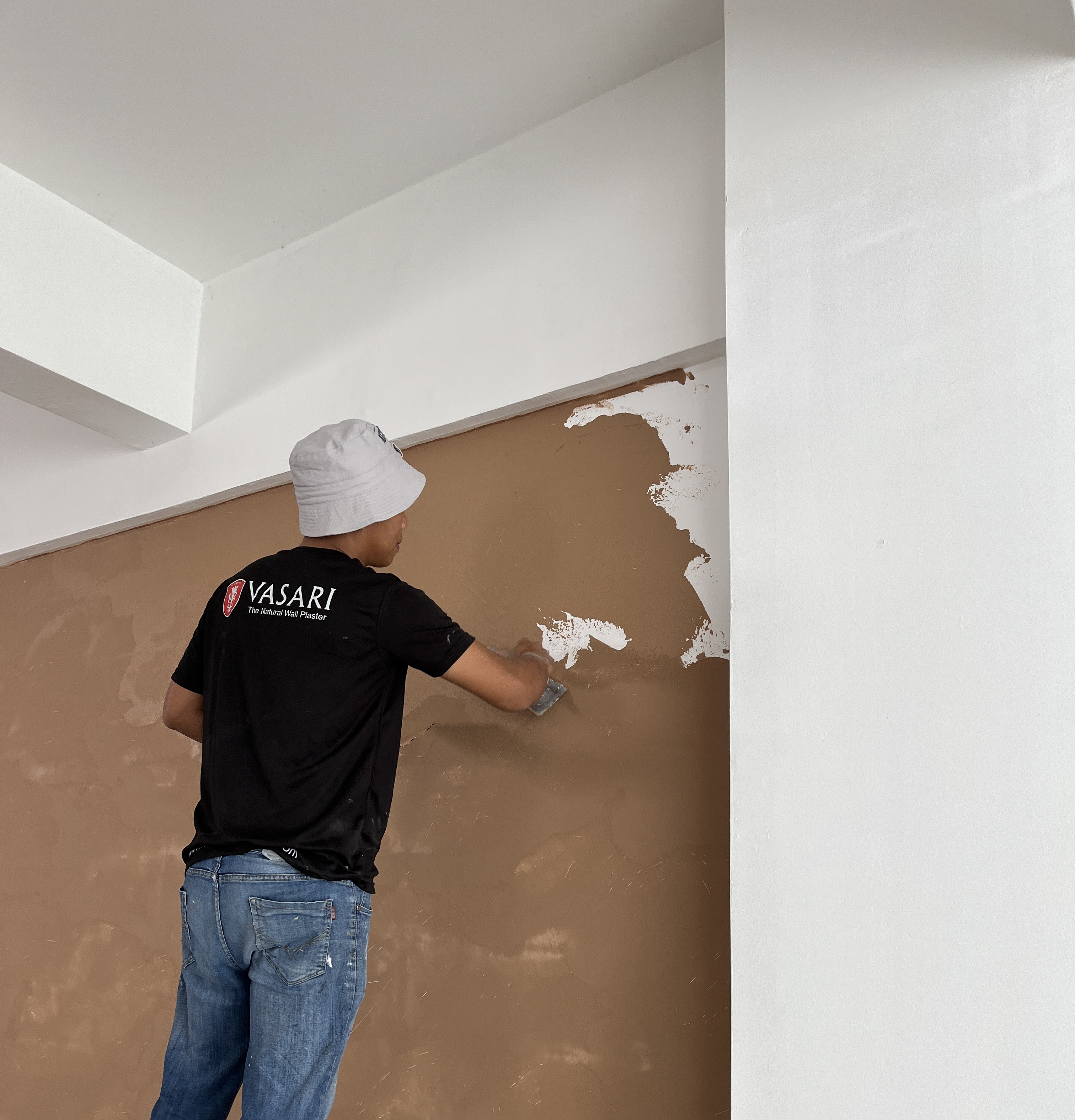
The first coat of Venetian plaster is applied in a thin, even layer using a stainless steel trowel. This base coat creates the foundation for the final finish and helps establish a smooth, consistent surface.
Once the first coat has been applied, allow it to dry completely before proceeding with the next layer. Proper drying between coats is essential for achieving the best adhesion and a high-quality finish.
Step 4: Build the Texture with Additional Coats.
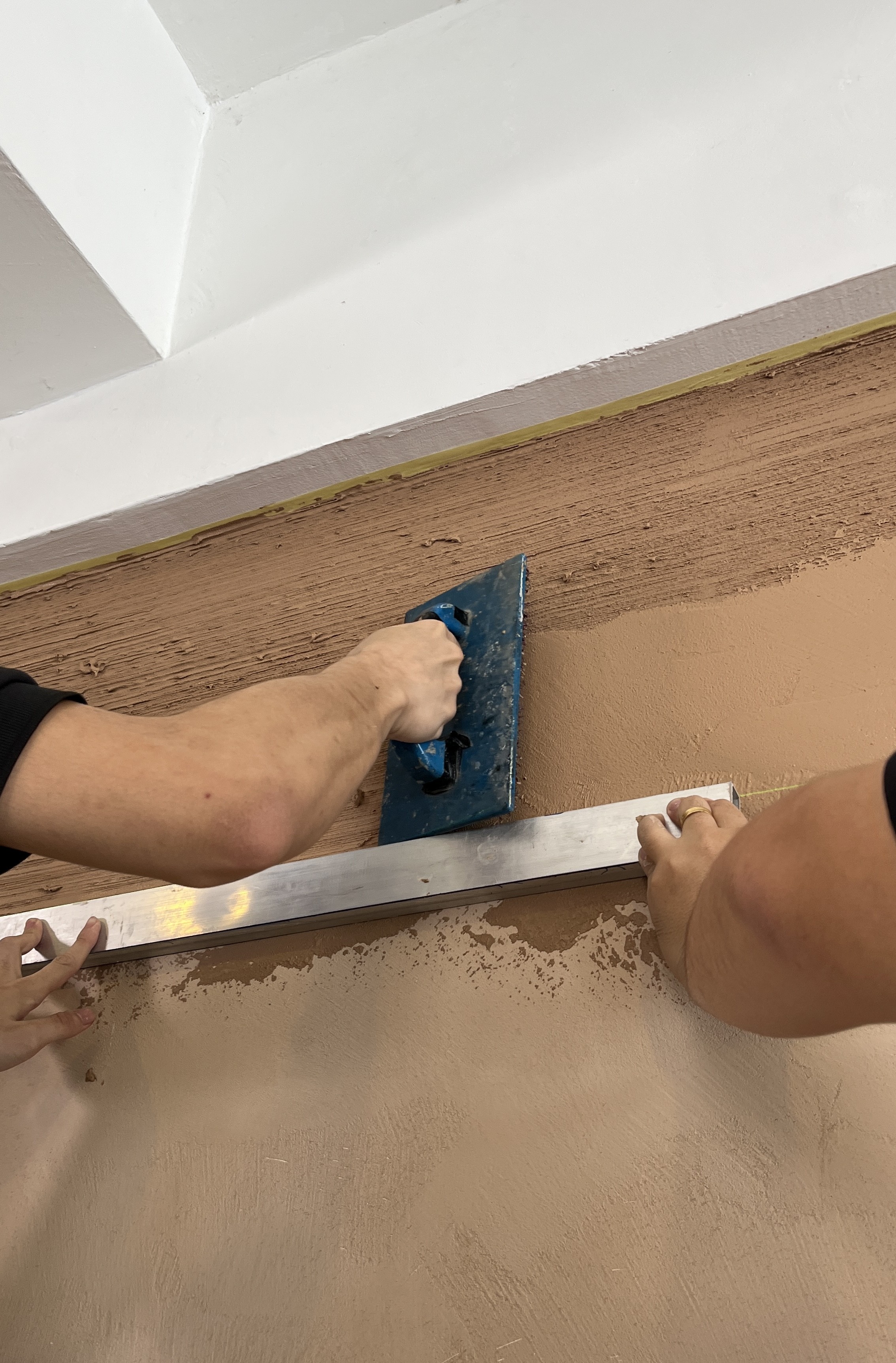
One or more additional coats are then applied using overlapping trowel strokes to gradually build the desired finish. This is where the true beauty of Venetian plaster begins to emerge.
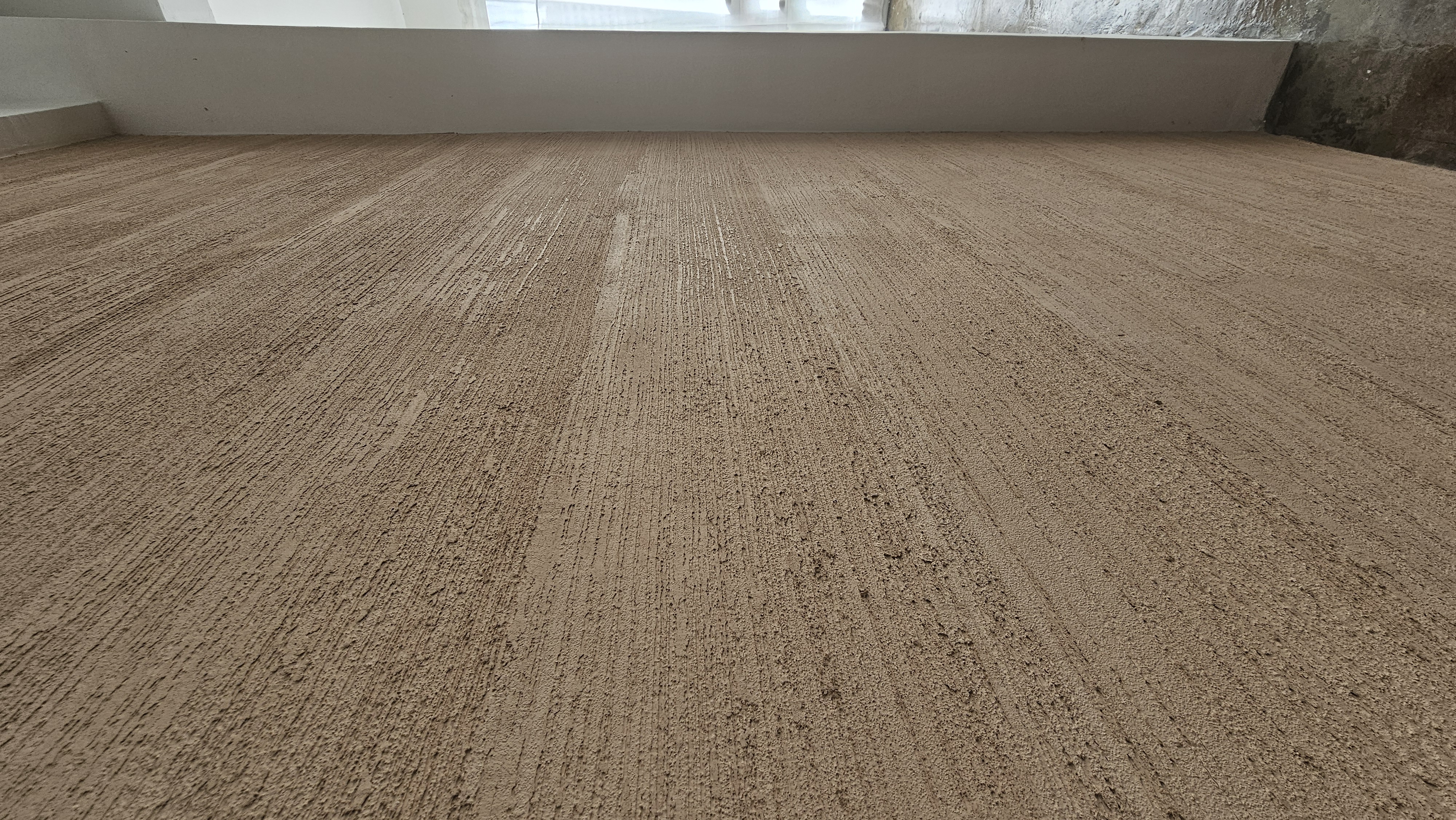
At this stage, you can get creative with different application techniques to achieve a variety of decorative effects. By adjusting the angle, pressure, and movement of the trowel, you can create finishes ranging from a smooth polished look to a natural limestone effect, each with its own unique character.
The subtle variations created by each trowel stroke add depth, movement, and texture, ensuring that every wall has a one-of-a-kind handcrafted appearance.
Step 5: Burnish the Surface.
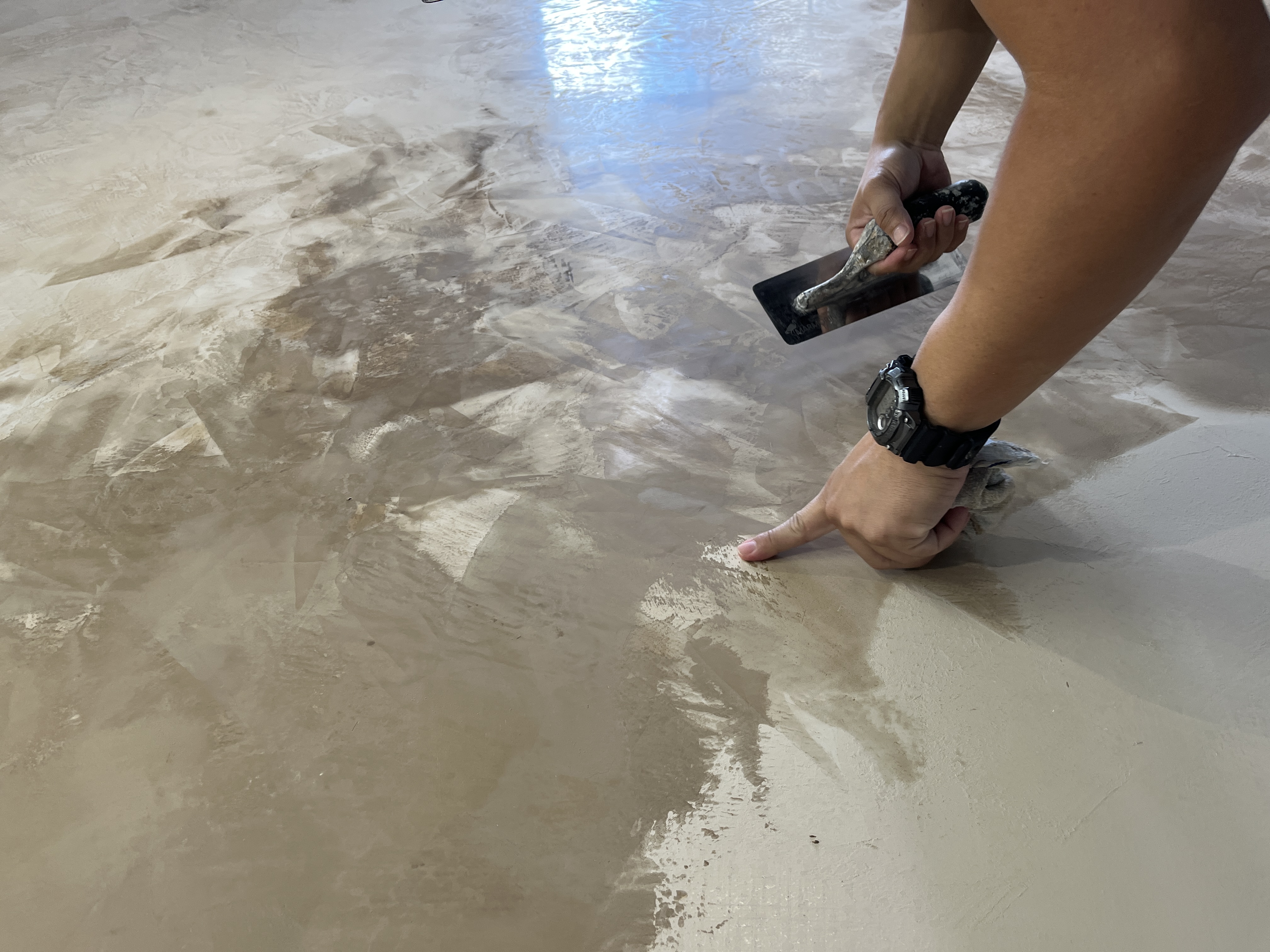
Depending on the desired finish, the final coat can be burnished using a clean stainless steel trowel. Burnishing compresses the lime plaster, resulting in a smoother, denser surface while enhancing its natural depth and subtle sheen. This step also brings out the distinctive movement and elegance that Venetian plaster is known for.
Step 6: Apply a Protective Top Coat (Optional)
Once the Venetian plaster has fully cured, a protective top coat can be applied for added durability, especially in high-traffic areas or spaces that require easier maintenance.
Applying Top Coat helps improve stain resistance, protects the decorative finish from everyday wear, and makes the surface easier to clean, all while preserving the natural beauty and appearance of the Venetian plaster.
Beginner's Tip: While Venetian plaster may seem easy to apply, achieving a smooth, professional finish takes practice, patience, and the right technique. If you're just getting started, it's a good idea to attend a hands-on training workshop or learn from an experienced applicator before taking on larger projects. This will help you build confidence, avoid common mistakes, and achieve better results.